
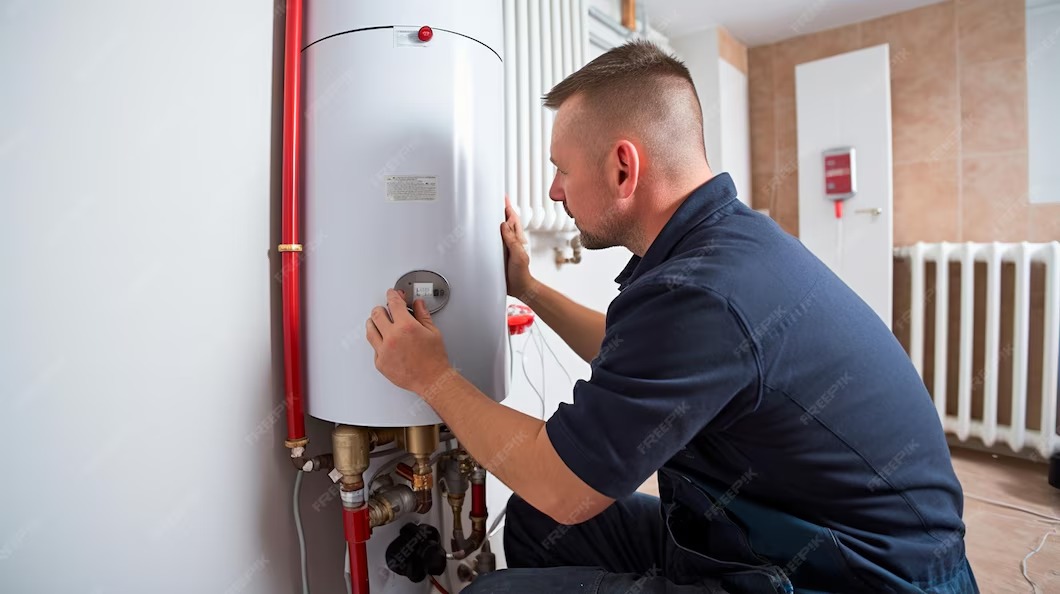
Heat pumps are now tracked as part of official UK deployment statistics, with quarterly installation data published by the government. For many homeowners, the £7,500 Boiler Upgrade Scheme grant is also a central part of the decision, particularly when comparing a heat pump with other heating upgrades.
A good air source heat pump installation in South London starts with a detailed survey. Before anything is fitted, we'll take the time to understand your home, calculate its heat loss, check whether your existing radiators and pipework are suitable, assess the best location for the outdoor unit, and design a system that will provide reliable, efficient comfort for years to come.
Speak to an air source heat pump specialist
If you're comparing your heating options or wondering whether an air source heat pump is right for your home, we're always happy to help. Call 0203 620 5800.
A short conversation can often help you understand whether a full heat pump system, a hybrid solution or another heating upgrade is the best fit for your property.
“Every home is different. A thorough survey and proper heat loss calculation are the foundations of a successful heat pump installation, helping ensure your system performs efficiently and keeps your home comfortable.”
What does an air source heat pump survey include?
An air source heat pump survey should be thorough because every home is different. Rather than offering a one-size-fits-all solution, the system should be designed around your property. An experienced heating engineer with experience in central heating systems will assess insulation, glazing, room sizes, radiators, pipework, outdoor space, cylinder location, electrical supply and your household's hot water requirements.
One of the most important parts is the heat loss calculation. This estimates how much heat each room loses on a cold day, then works out what output the system needs. In South London, two houses on the same road can need different solutions.
A proper survey also checks whether your heating circuit can move enough warm water at lower temperatures. Where radiators are too small or pipework restricts flow, the design may need upgrades.
Checking if your home is ready for a heat pump
A heat pump works best in a home that retains heat well and releases warmth gradually through correctly sized radiators or underfloor heating. One of the key aims of the survey is to establish whether your home can stay comfortable using the lower flow temperatures that heat pumps are designed to operate at.
Good signs include double glazing, decent roof and wall insulation, radiator space, and steady heating habits. Underfloor heating can also work well with heat pumps because it spreads warmth across a larger surface area. If you are renovating, discussing underfloor heating early can avoid expensive rework.
Not every home needs to be “perfect” before a heat pump is considered. Some properties only need selected radiator upgrades. Others may suit a hybrid system, where the heat pump handles steady day-to-day heating and another heat source supports peak demand. Every property is different, which is why we always recommend carrying out a proper survey before advising on the most suitable solution.
What happens after the air source heat pump design is agreed?
Once the design is agreed, the practical plan becomes clearer. You should know where the outdoor unit will sit, whether radiators or controls need changing, where the hot water cylinder will go, what electrical work is expected, and how long the home may be without heating or hot water.
For many homes, hot water storage becomes a key part of the design. Most air source heat pump systems are designed to work with a hot water cylinder, so households with multiple bathrooms, high shower use, or limited cupboard space need the right specification. We install and service unvented cylinders and Megaflo systems, which helps when a heat pump project needs reliable hot water.
This is also when grant eligibility should be checked properly. The Boiler Upgrade Scheme is not paid directly to the homeowner. If you're eligible, your MCS-certified installer applies for the Boiler Upgrade Scheme voucher on your behalf, and the value of the grant is deducted from the installation cost.
What to expect during installation week
Installation is usually a coordinated sequence, not a single appliance swap. Our engineers will carefully work through each stage of the project. This may include adapting the existing heating system, installing the outdoor unit, connecting the hot water cylinder, upgrading selected radiators where required, completing any necessary pipework alterations, fitting controls, flushing and filling the system, and thoroughly testing everything before handover.
The biggest disruption often comes from pipework, radiator changes, or cylinder work, not the outdoor unit itself. Clear planning reduces surprises. In dense South London streets, access, parking, garden layout, side returns, flats, and neighbour proximity can all affect how smoothly the installation runs.
We'll discuss the proposed outdoor unit location with you before installation to ensure it's practical, compliant and sympathetic to both your property and neighbouring homes. A well-sited air source heat pump also needs clear airflow and safe access for future servicing.
The outdoor unit also has to be positioned carefully, because planning rules and MCS sound checks can affect whether it can sit near a boundary, window, or neighbouring property.
What happens at switch-on and commissioning?
The engineer should test heating, hot water, circulation, controls, flow rates, safety settings, and weather compensation where fitted. The aim is steady, efficient comfort, not rapid blasts of heat like a traditional boiler.
You should also receive a clear handover, giving you confidence in how your new system works and plenty of opportunity to ask questions before we leave. That means understanding how to use the controls, what temperatures to expect, how hot water is scheduled, when to call for support, and why constant low-temperature heating often performs better than short high-temperature bursts. Efficient smart heating controls can make this easier.
After switch-on, small adjustments may improve performance. Flow temperature, schedules, and hot water settings can often be fine-tuned once the system has run through normal household routines.
Why local experience matters in South London
South London housing is mixed. A design for a Dulwich family home will not automatically suit a Penge terrace, a Croydon semi, or a converted flat in Balham. Local experience helps because survey findings need interpretation: where insulation is realistic, where a cylinder can fit, and how access affects installation.
As an award-winning local heating and green energy team with more than 25 years’ experience, we look at the whole system rather than the heat pump alone. That includes radiators, pipework, controls, hot water, servicing access, and whether another heating solution may ultimately be the better choice for your home.
Ready to plan your air source heat pump installation?
A well-designed air source heat pump installation should leave you feeling confident about your investment before any work begins. You should understand how the system has been designed, what work is involved, what grants may be available and what to expect throughout the installation. If you have questions about radiators, hot water or the suitability of your home, we'll always be happy to explain your options.
For practical advice on heat pumps, call 0203 620 5800 or email hello@southlondonheating.co.uk. We will help you understand the right next step for your home.
Frequently asked questions
How long does an air source heat pump installation take?
Most installations take several days, depending on radiator changes, cylinder work, pipework, electrics, and access.
Do I need bigger radiators for a heat pump?
Possibly. Heat pumps work at lower flow temperatures, so some rooms may need larger radiators or other emitters.
Can I get the £7,500 heat pump grant?
You may qualify if your property meets the Boiler Upgrade Scheme eligibility criteria and the installation is carried out by an MCS-certified installer. If you're eligible, we'll guide you through the process and apply for the grant on your behalf.
Is a heat pump suitable for older South London homes?
Often, but not always immediately. Older homes may need insulation improvements, radiator upgrades, or a hybrid approach.
What happens after switch-on?
The system is commissioned, controls are explained, documents are handed over, and settings can be adjusted as the household gets used to steady low-temperature heating.
Speak With Our Friendly, Expert Team
Need advice on installing a new boiler, improving your home’s heating and hot water, or upgrading to greener heating solutions?